A strong online presence is more than simply having a website. It is the complete digital impression your business creates — from how you look and communicate to how easily people can understand your services, find information and take the next step.
This guide breaks down the elements that help create a professional, credible and search-conscious digital presence while keeping your brand memorable and your website easy to use.
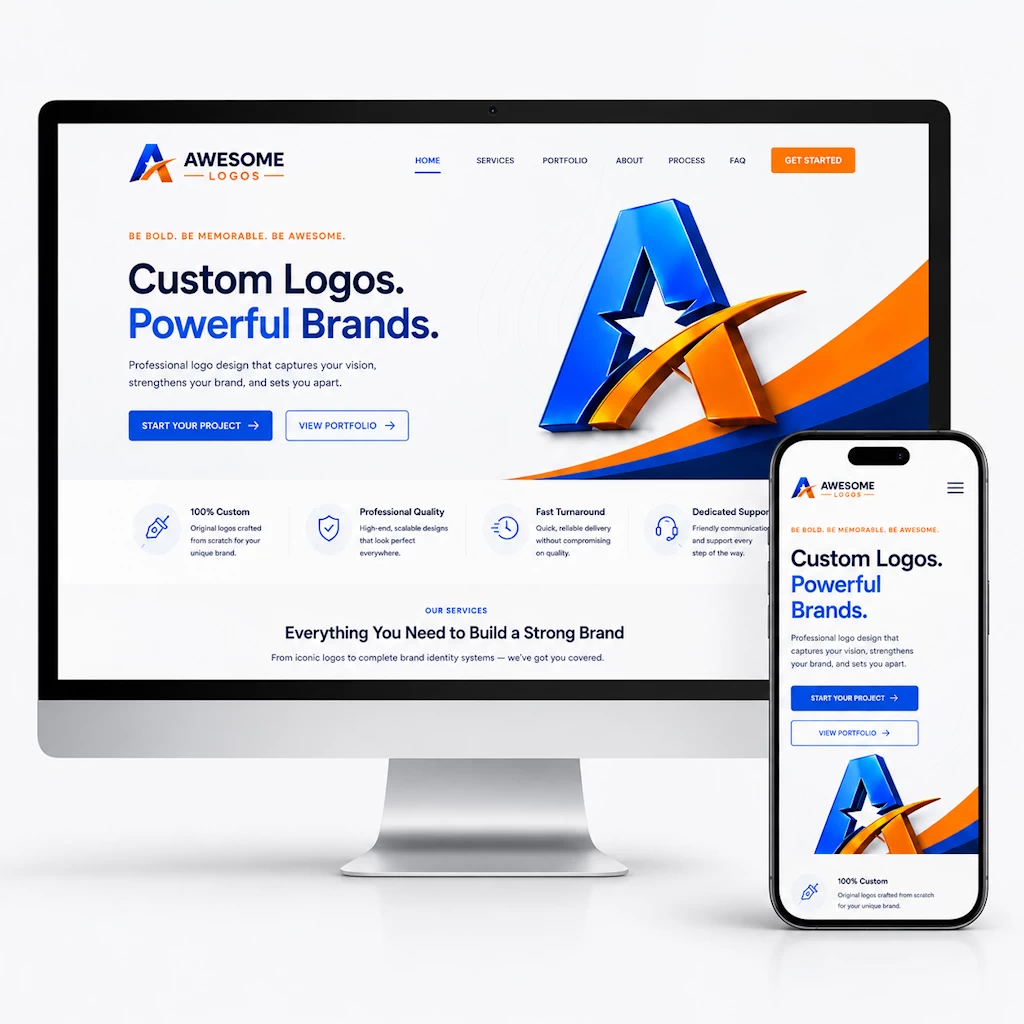
Your website, branding, search visibility, content and user experience should work together as one recognizable business identity.
A visitor may discover you through Google, a social post, a referral, an online directory or a direct link. Wherever that journey begins, the experience should feel consistent. Your colors, messaging, photography, logo, website structure and calls-to-action should reinforce the same professional image.
The goal is not simply to look impressive. It is to make your business easier to understand, easier to trust and easier to contact.
Effective digital branding is the result of several elements working together — not one isolated design decision.
Visitors should quickly understand who you are, what you offer and why your business is relevant to them.
Strong typography, imagery, spacing and visual hierarchy help communicate credibility before a visitor reads every word.
Your website, logo, colors and marketing materials should feel unmistakably connected to one another.
Logical pages, headings, internal links and relevant content help search engines better understand your business.
Navigation should feel natural on desktop and mobile so visitors can reach important information without confusion.
Calls, forms, consultation buttons and other next steps should be visible without making the website feel pushy.
Visual impact matters, but design works best when it supports communication rather than competing with it.
A polished website should guide the eye toward your most important information and make the next action obvious.
These principles build on the original Navigating Brilliance guide while reflecting how modern business websites are expected to perform today.
Responsive design is essential. Your website should remain readable, attractive and functional across phones, tablets, laptops and large screens.
Use clear menus and logical page organization. Visitors should not have to guess where your services, portfolio or contact information are located.
Professional imagery, custom graphics and carefully selected visual elements help establish the quality and personality of your brand.
Repetition of colors, typography, imagery and tone helps make your business easier to recognize and remember.
Write for real customers first. Explain services clearly, answer common questions and provide enough detail to establish expertise.
Every important page should provide an obvious next action such as calling, requesting information, viewing work or contacting the business.
Ask only for the information necessary to begin the conversation. Long or confusing forms can discourage potential customers from reaching out.
Oversized images, unnecessary scripts and excessive plugins can hurt the experience. Optimize visual assets and keep the site technically clean.
Search visibility begins with useful pages, meaningful headings, relevant content, internal linking and a technically accessible site.
Real testimonials, completed work, accurate business details, professional imagery and clear policies can reinforce trust.
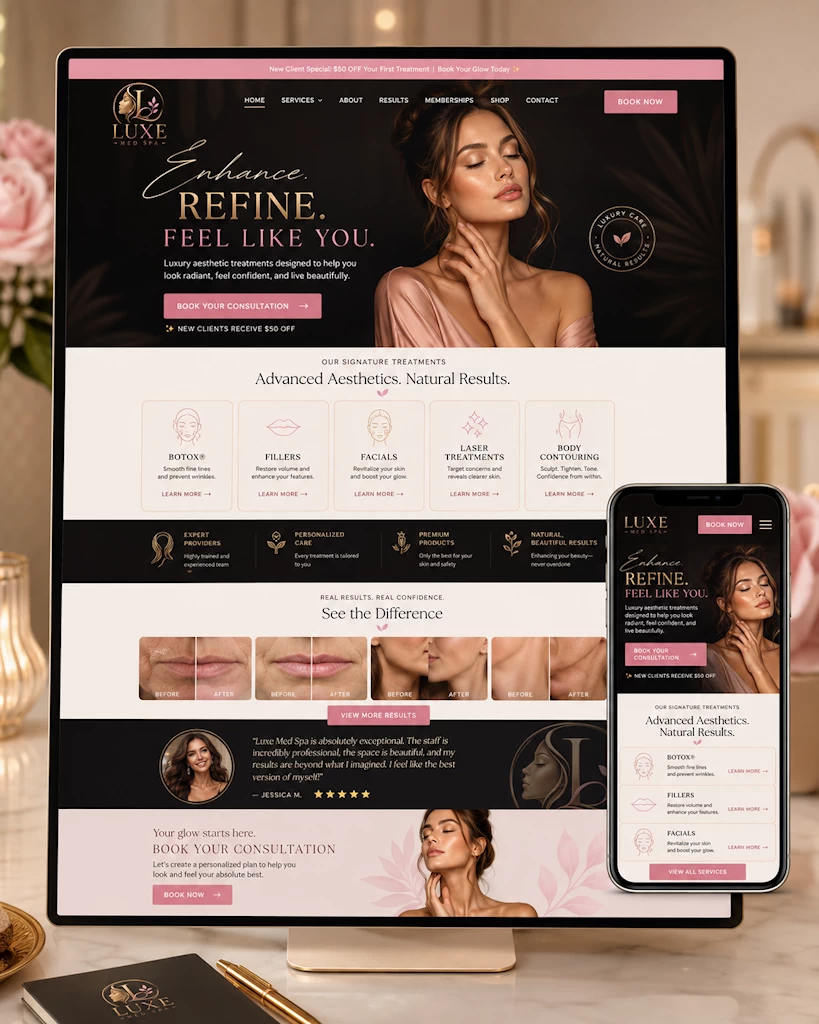
One of the fastest ways to make a business forgettable online is to use a generic website that could belong to almost anyone.
Your industry matters, but so does your individual personality. A medical practice, engineering firm, contractor, law office, beauty business or professional consultant should each communicate differently — while still maintaining clarity and usability.
Custom design creates room for that distinction.
Old phone numbers, expired offers or outdated services quickly weaken trust.
SEO should support useful content, not turn your website into repetitive search-engine copy.
Animation, graphics and effects should enhance the message rather than compete for attention.
A beautiful site loses value when visitors cannot quickly determine how to contact the business.
I’m Susana Lucia, founder of bySusana.com. My work combines custom WordPress website design, branding, graphic design and SEO-conscious strategy to help businesses present themselves professionally online.
I believe a website should do more than decorate a screen. It should communicate clearly, reinforce credibility, reflect the personality of the business and provide visitors with a natural path toward taking action.
Every project is different, which is why I approach design as both a visual and strategic process rather than relying on one generic formula.
Your online presence includes your website, search visibility, branding, online business profiles, content and the overall impression people receive when they encounter your business digitally.
A website is the foundation, but branding, useful content, search-friendly structure and consistent business information all contribute to a stronger digital presence.
Clear layouts, professional visuals, current information and intuitive navigation can help visitors feel more confident about the business behind the website.
No legitimate SEO strategy can guarantee a specific ranking. SEO improves the structure, relevance and discoverability of a website so search engines can better understand its content.
Many visitors access business websites from phones. A mobile-friendly experience makes content easier to read, navigate and interact with across different screen sizes.
Yes. Consistent colors, typography, imagery, messaging and visual identity can make a business more distinctive and recognizable.
Conversion-focused design gives visitors clear information and logical next steps, such as calling, submitting a form, viewing services or requesting a consultation.
Yes. Existing websites can be evaluated and redesigned to improve visual presentation, usability, branding, content organization and SEO-conscious structure.
If your current website no longer reflects your quality, personality or direction, let’s talk about creating a more polished, optimized and memorable online presence.